
Where Our Honey Comes From: Karak, Chitral, Swat and Azad Kashmir
Four regions, four flowering seasons, four distinct honeys — and why naming the valley matters.
Where our honey comes from is a specific answer, not a region. Most honey sold in Pakistan is described as coming from "the northern mountains", which covers an area larger than several countries.
Most honey sold in Pakistan is described as coming from "the northern mountains". That covers an area larger than several European countries and tells you nothing. Here is where ours is actually gathered, and what each place produces.
Where our honey comes from: Karak, Khyber Pakhtunkhwa
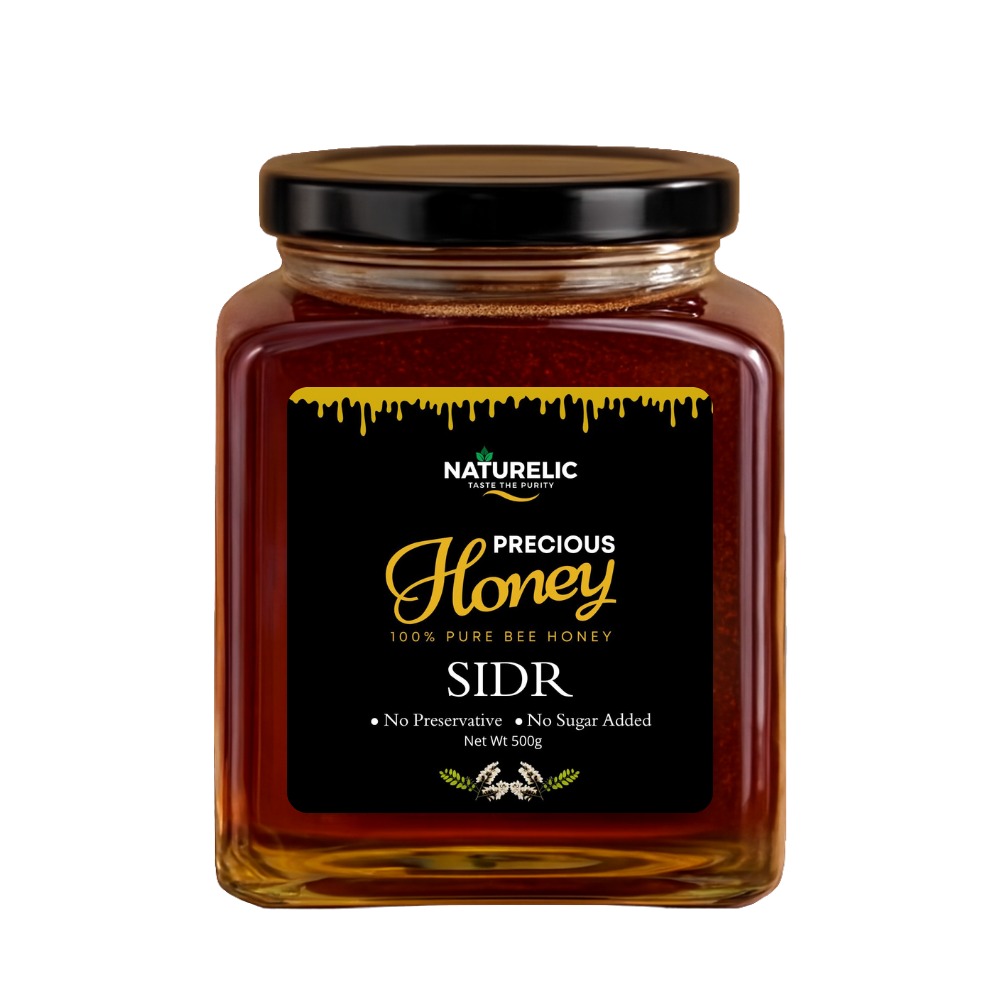
Dry, hot, and covered in wild Sidr (Ziziphus, locally Beri) that flowers briefly in autumn. The short window and the arid ground are why Sidr honey is expensive: there is only so much of it, and only once a year. Karak Sidr is dark, thick and malty, closer to treacle than to a light table honey.
Chitral
High valleys, cold nights, and a compressed summer flowering. Chitral honey tends to be pale and floral, with a cleaner finish than lowland honey. Yields are small because the season is short.
Swat Valley
Mixed orchard and wildflower country. Swat produces the classic multi-floral honey — mid-amber, rounded, the kind most Pakistani households grew up with.
Azad Jammu & Kashmir
Forest and meadow sources at altitude. Slower to crystallise than lowland wildflower, with a herbal edge that comes from the undergrowth rather than any single bloom.
Harvest calendar
| Region | Main flow | Character |
|---|---|---|
| Karak | Autumn (Sidr) | Dark, malty, thick |
| Chitral | Mid summer | Pale, floral, clean |
| Swat | Spring to early summer | Mid-amber, rounded |
| Azad Kashmir | Late spring | Herbal, slow to set |
| Cholistan, Punjab | Spring (Acacia / Palosa) | Very pale, mild, slow to set |
Why we do not blend
Blending across regions produces a jar that tastes the same every time. That is a real advantage for a supermarket and a real loss for you: it removes the evidence of where the honey came from. We bottle each harvest separately, which is why colour and flavour shift between batches, and why crystallisation happens on its own schedule.
More on how we buy in sourcing, and on what the differences taste like in our variety comparison.
How the region shows up in the jar
Two things change with geography: the flowers available to the bees, and the climate the honey is stored in before it reaches you. Arid, hot country such as Karak produces honey with lower moisture, which is part of why Sidr keeps so well. High valleys such as Chitral have a narrow flowering window, so the honey carries a narrower range of floral notes and tends to be paler.
Altitude also affects crystallisation. Honey from cooler, higher ground often arrives already starting to set, which is normal and covered in our note on crystallisation.
What we ask of the beekeepers we buy from
- The region and the flowering season are named, and stay the same from one year to the next.
- Colonies are not fed sugar syrup during a flow that will be sold as honey.
- Honey is extracted without heating beyond what is needed to get it out of the comb.
- Each harvest is kept separate rather than pooled with other suppliers' honey.
We agree prices before the harvest, which means the beekeeper is not exposed to whatever the market does in a good or a bad year. It costs us more in a glut and protects supply in a poor season.
Where to go next
Read how the varieties differ, see what each costs, or browse the honey collection. We deliver to cities across Pakistan.
Common questions
Does the region change the taste? Yes. Each area flowers at a different time and carries different plants, so the same species of bee produces a noticeably different honey in Karak than in Chitral.
Is single-origin honey better? It is more consistent and more traceable. Blended honey averages out the character of each harvest.
Read more about how we source, or browse the honey collection.
Common questions
Which region produces the best honey in Pakistan?
When is honey harvested in Pakistan?
What does single-origin honey mean?
Why do brands avoid naming the region their honey comes from?
Shop the range
Standard
Sidr Honey
Rare mono-floral honey from the wild Sidr trees of Karak, Khyber Pakhtunkhwa. Dark, malty and slow to crystallise.
Standard
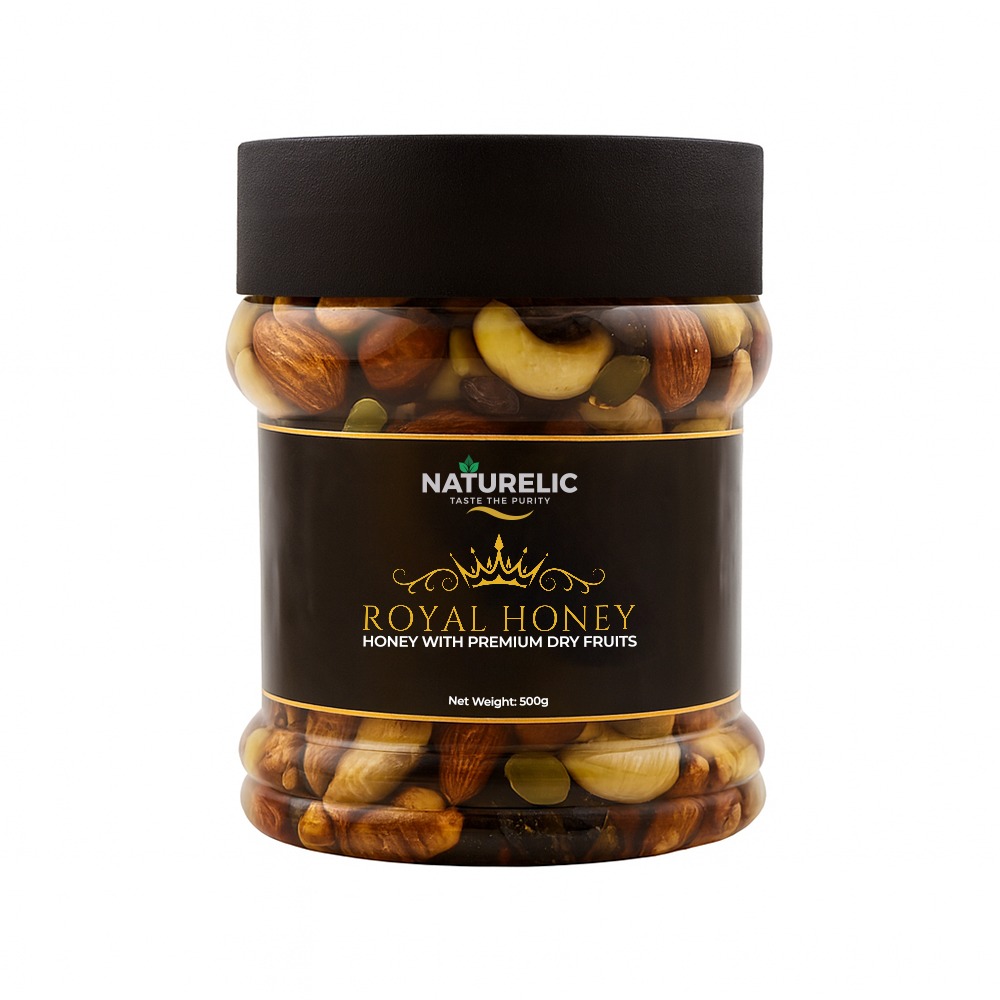
Royal Honey With Premium Dry Fruits
Raw honey layered with whole almonds, walnuts, pistachios and cashews in a single jar.
Standard
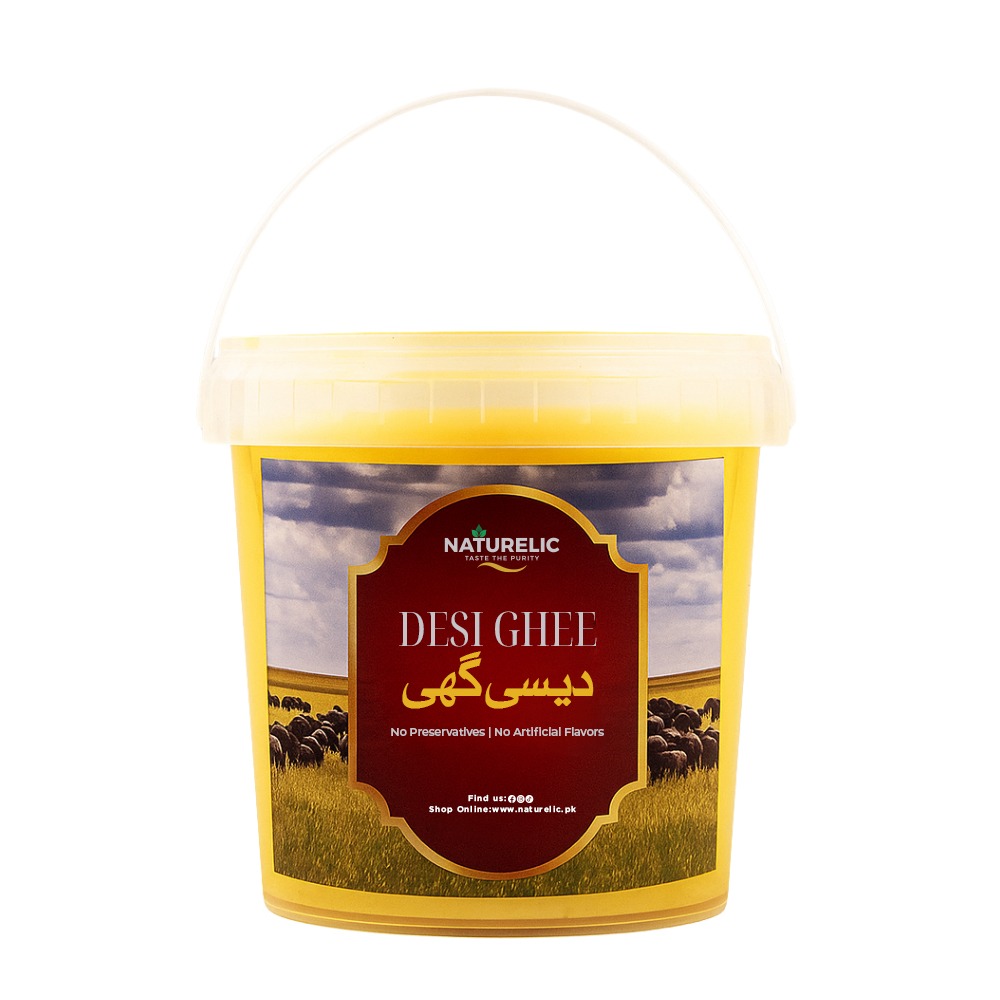
Desi Ghee
Traditionally churned desi ghee, slowly clarified in small batches for a nutty, caramelised aroma.
Keep reading
Why Honey Crystallises, and Why It Is a Good Sign
Your honey has gone solid. That is chemistry, not spoilage — and usually a good sign.
Desi Ghee in Pakistan: Price, and How to Tell Pure From Blended
What desi ghee costs, how it is made, and the checks that separate pure ghee from a blend.
Ramadan and Eid Gift Guide: Honey, Ghee and Dry Fruit Hampers
Choosing a Ramadan or Eid gift that is actually used — by budget, with delivery timings.