
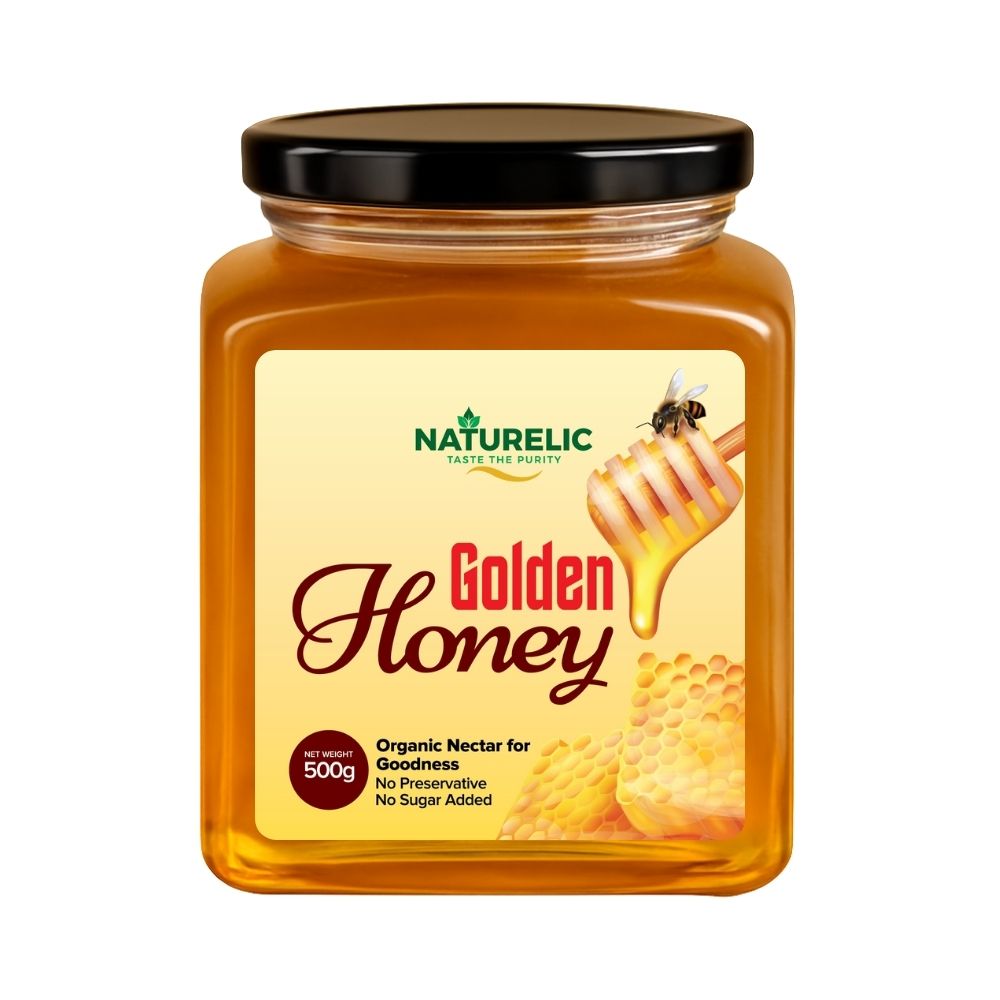
Why Honey Crystallises, and Why It Is a Good Sign
Your honey has gone solid. That is chemistry, not spoilage — and usually a good sign.
Honey crystallises in cold weather, and it is a good sign rather than a fault.
If your honey has turned thick, pale and grainy over the winter, nothing has gone wrong. It has crystallised, and honey that crystallises is generally honey that has not been heavily heated.
Why honey crystallises: what is happening
Honey is a supersaturated sugar solution — more glucose and fructose are dissolved in it than water can normally hold. That state is unstable. Over time the glucose comes out of solution as crystals, starting around any speck of pollen or wax still in the jar.
Cool weather accelerates it. Most crystallisation in Pakistan happens between November and February.
Why some jars set faster than others
It depends on the ratio of glucose to fructose, which depends on the flower.
- Sets quickly: wildflower, mustard-heavy honey
- Sets slowly: Sidr, Acacia (Palosa), Robinia
Why filtered honey does not set
Heating dissolves the existing crystals and fine filtering removes the pollen and wax that new ones would form around. The result stays liquid on a shelf for a year. It is also honey with less of its original character left in it. A jar that never sets is telling you something about how it was processed.
Making it pourable again
Stand the sealed jar in warm — not boiling — water for ten to fifteen minutes and stir. Repeat if needed.
Do not microwave it and do not put it in boiling water. Both overheat the honey unevenly and drive off the aromatics you paid for. There is no need to reverse crystallisation at all if you are spreading rather than pouring; set honey is easier to spread.
How to tell crystallisation from spoilage
Crystallised honey is uniformly grainy, smells the same as it always did, and tastes the same once melted. Honey that has genuinely fermented — which takes moisture getting in — smells sour or yeasty and may show bubbles. Keeping the jar sealed and using a dry spoon prevents it.
More on what varies between harvests in our variety comparison.
Crystallisation in a Pakistani winter
Crystallisation is fastest between roughly 10 and 15°C. That means a jar kept in an unheated kitchen in Lahore, Islamabad or Quetta in January will set faster than the same jar in Karachi. It is not a fault in the honey and it does not mean the jar was stored badly.
Storing honey in the fridge is the one thing that reliably makes this worse. Below about 10°C crystallisation slows again, but the fridge holds honey right in the range where it sets hardest on the way down.
Preventing it, if you want to
- Keep the jar somewhere warm and stable — a kitchen cupboard, not a windowsill or a fridge.
- Buy a variety that resists it: Acacia, Palosa or Robinia rather than wildflower.
- Buy a size you will finish in a few months rather than a large jar that sits.
Creamed honey is crystallisation used deliberately
Some honey is set on purpose under controlled conditions to give a fine, even, spreadable texture rather than coarse grains. It is the same process, managed rather than left to happen. If you like the texture of set honey, that is what you are enjoying.
Related reading
Which varieties set slowest is covered in our variety comparison, and why raw honey behaves differently from supermarket honey in the price guide. Browse the honey collection.
Common questions
Has it gone off? No. Crystallisation is a change of texture, not of quality, and the honey is unchanged once it is warmed back.
Can I put it in the microwave? Better not to. Gentle warmth in a sealed jar is enough, and high heat is exactly what raw honey is sold to avoid.
See the honey collection, or read about how we source.
Common questions
Is crystallised honey still good?
How do I make crystallised honey liquid again?
Why does my honey crystallise but supermarket honey does not?
How do I tell crystallisation from fermentation?
Which honey crystallises fastest?
Shop the range
Standard
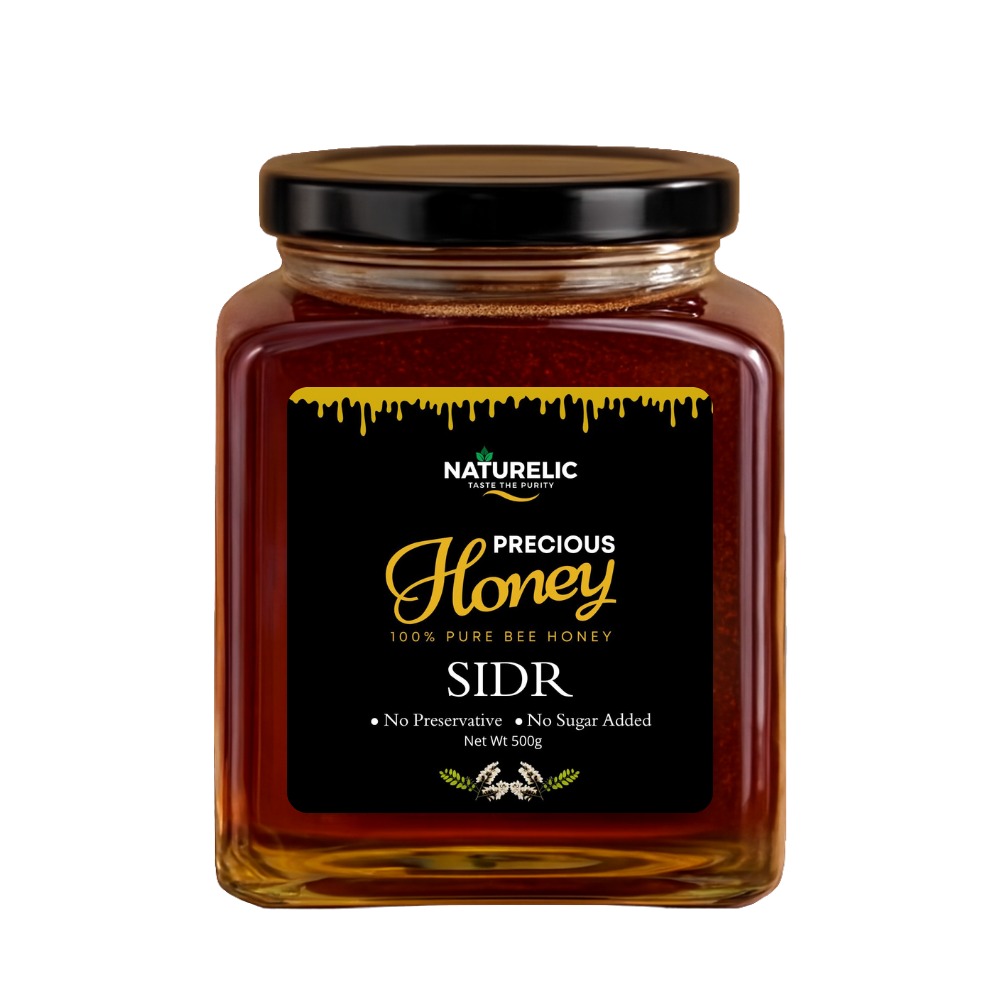
Sidr Honey
Rare mono-floral honey from the wild Sidr trees of Karak, Khyber Pakhtunkhwa. Dark, malty and slow to crystallise.
Standard
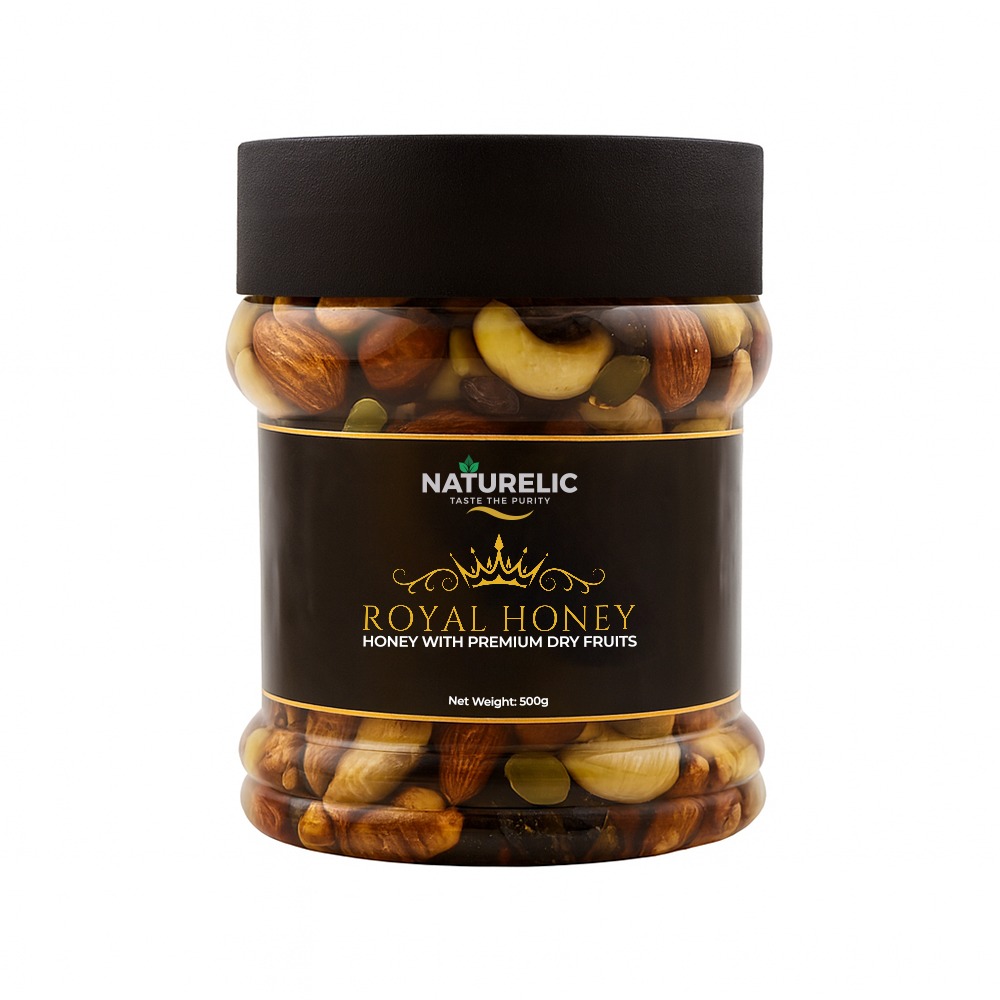
Royal Honey With Premium Dry Fruits
Raw honey layered with whole almonds, walnuts, pistachios and cashews in a single jar.
Standard
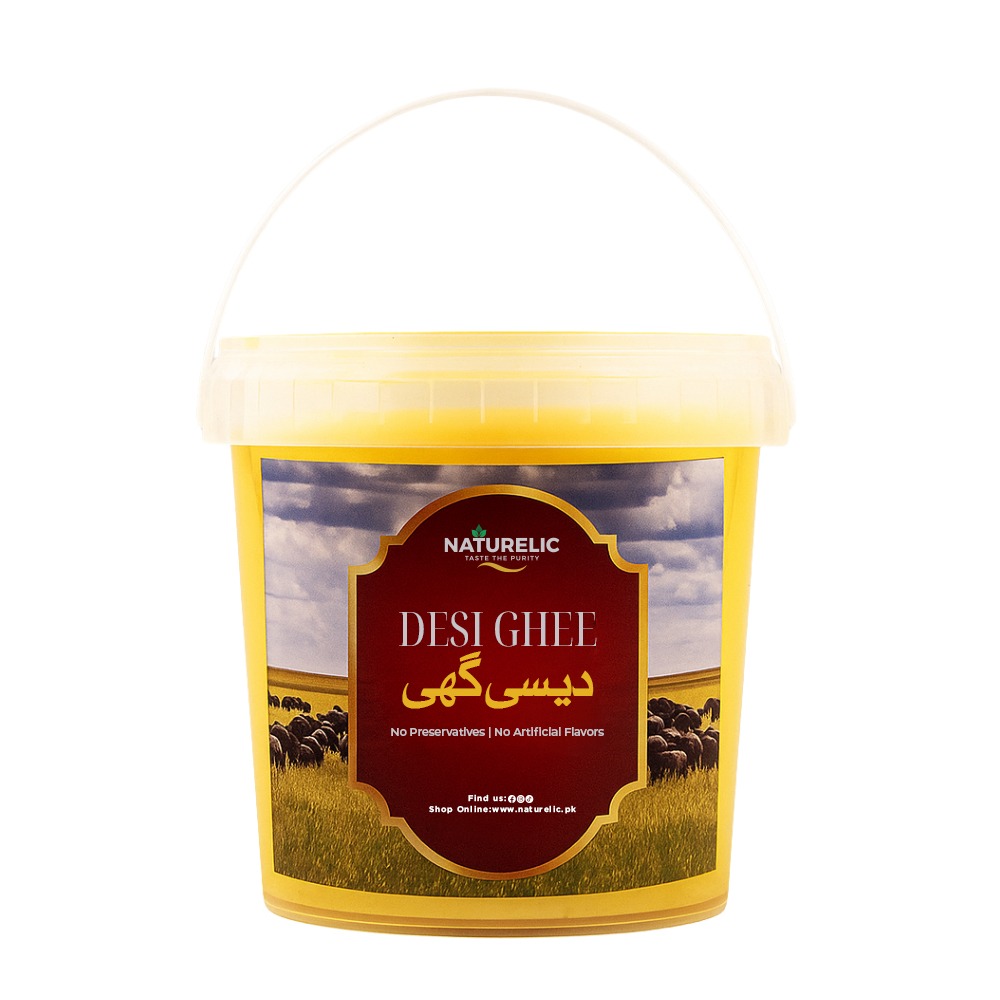
Desi Ghee
Traditionally churned desi ghee, slowly clarified in small batches for a nutty, caramelised aroma.
Keep reading
Desi Ghee in Pakistan: Price, and How to Tell Pure From Blended
What desi ghee costs, how it is made, and the checks that separate pure ghee from a blend.
Ramadan and Eid Gift Guide: Honey, Ghee and Dry Fruit Hampers
Choosing a Ramadan or Eid gift that is actually used — by budget, with delivery timings.
Sidr vs Acacia (Palosa) vs Wildflower vs Robinia: Which Honey Should You Buy?
One table comparing every honey variety sold in Pakistan — taste, colour, setting behaviour and price.