
Sidr vs Acacia (Palosa) vs Wildflower vs Robinia: Which Honey Should You Buy?
One table comparing every honey variety sold in Pakistan — taste, colour, setting behaviour and price.
Four varieties account for most honey sold in Pakistan, with wildflower honey the everyday one and Sidr the expensive one. They are not interchangeable, and the price gap between them is real.
Four varieties account for most honey sold in Pakistan. They are not interchangeable, and the price gap between them is large enough to be worth understanding before you buy.
The main types of honey in Pakistan, compared
| Sidr (Beri) | Acacia (Palosa) | Wildflower | Robinia | |
|---|---|---|---|---|
| Colour | Dark amber to near-brown | Very pale gold | Mid amber | Pale straw |
| Taste | Malty, deep, slight bitterness | Mild, clean, delicate | Rounded, floral | Very mild, sweet |
| Crystallises | Slowly | Very slowly | Readily in winter | Very slowly |
| Price band | Rs 4,000 – 12,000/kg | Rs 1,800 – 4,000/kg | Rs 900 – 2,500/kg | Rs 1,800 – 3,500/kg |
| Best for | Eating on its own, gifting | Tea, children, mild palates | Everyday household use | Baking, dressings |
Sidr, or Beri
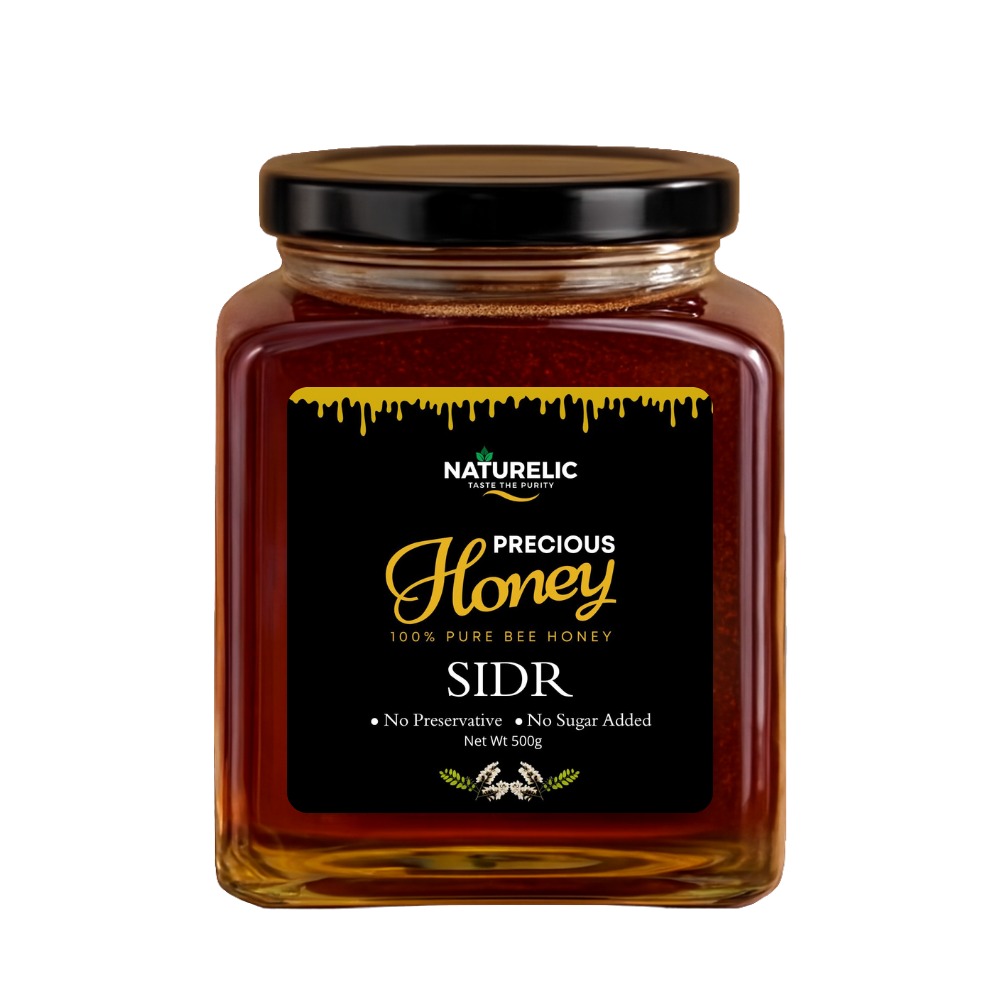
The variety Pakistan is known for. Harvested from wild Ziziphus in arid country — ours from Karak. One short flowering season a year, which is the whole reason for the price. If you have only tasted supermarket honey, Sidr will not taste like honey to you at first: it is darker and far less sweet. See our Sidr honey.
Acacia, or Palosa
Pale, mild and slow to set. If someone in the house dislikes strong honey, this is the one. Its resistance to crystallising also makes it the easiest to keep pourable through a Pakistani winter.
Wildflower
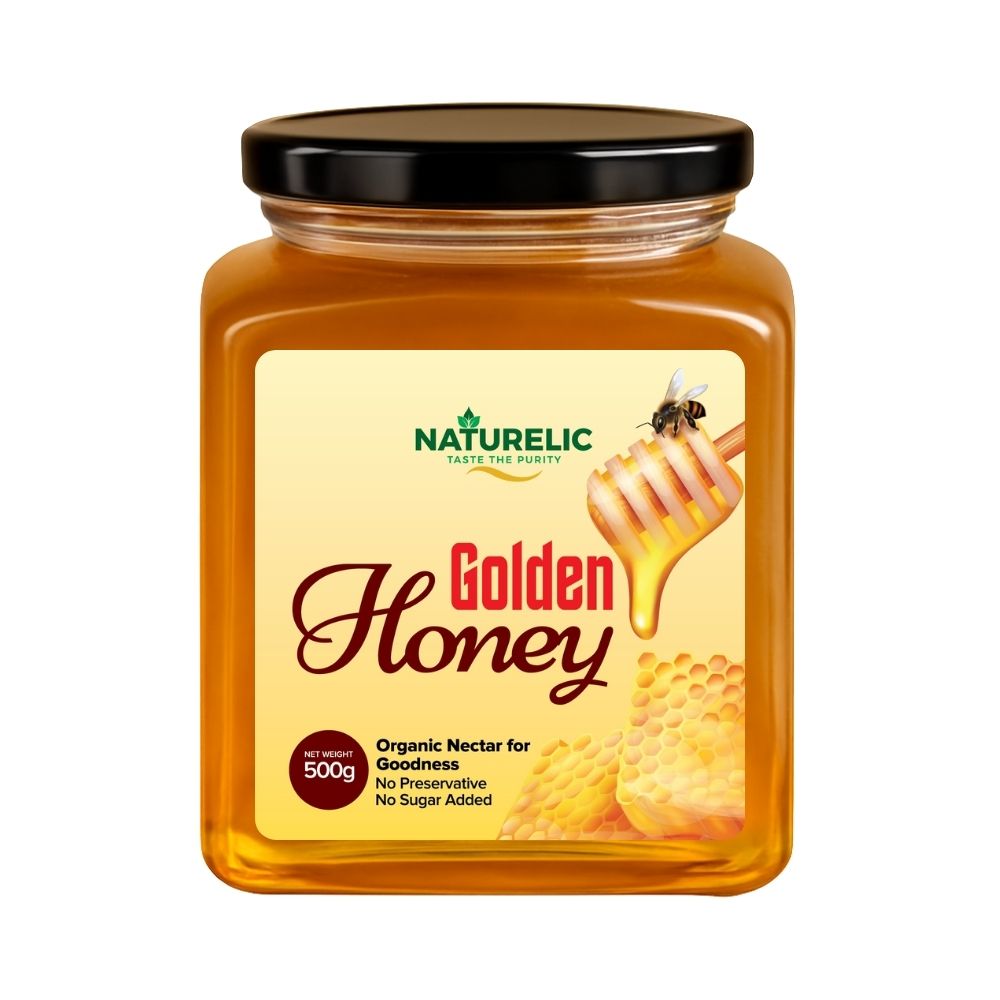
Multi-floral, from whatever was in bloom. The everyday jar, and the one most likely to crystallise in December — which is a sign it has not been heated. See our 500g jar.
Robinia
Often sold alongside Acacia and easily confused with it. Milder still, and very pale.
A note on "choti makhi"
Choti makhi (چھوٹی مکھی) refers to honey from small wild bees rather than to a flower. Yields per colony are tiny, so it commands the highest prices of all. It is a description of the bee, not a guarantee of the floral source.
So which one?
For daily use, wildflower or Acacia. For a gift or for the experience of a true mono-floral, Sidr. Browse everything in the honey collection, or read what each variety costs.
How to taste them side by side
If you want to understand the difference rather than read about it, taste them in order from mildest to strongest — Acacia or Robinia first, then wildflower, then Sidr — with water in between. Doing it the other way round means the Sidr flattens everything after it.
Use a teaspoon at room temperature. Honey straight from a cold cupboard tastes muted, and honey warmed to loosen it has lost some of the aromatics you are trying to judge.
Matching a variety to how you will use it
| Use | Best choice | Why |
|---|---|---|
| Stirred into tea or kahwa | Acacia / Palosa | Mild enough not to fight the tea; dissolves easily |
| On toast or with yoghurt | Wildflower | Rounded flavour, and sets to a spreadable texture |
| Eaten on its own | Sidr | Complex enough to be worth tasting undiluted |
| Baking and dressings | Robinia | Very mild, so it sweetens without dominating |
| A gift | Sidr, or honey with dry fruits | Recognised as premium without explanation |
A word on price per use
Sidr costs several times more per kilogram, but it is not usually the honey you get through a kilogram of. If you eat honey daily, a wildflower jar is the sensible everyday buy and a small Sidr jar is the thing you keep for its own sake. The arithmetic is in our price guide.
Common questions
Which should I buy first? Wildflower, if you are unsure. It is the everyday one, and the mildest.
Why is Sidr so much more expensive? It comes from a single tree flowering for a short season, so the yield per hive is far smaller.
Compare them yourself in the honey collection, or read why crystallisation is a good sign.
Where wildflower honey fits
Wildflower honey is the everyday jar of the four: mildest in taste, mid-amber, and the cheapest per kilogram because a hive yields most of it. It is the one to start with if you are not sure, and the one whose character shifts most from season to season, since it takes whatever was in flower at the time. See the honey collection for current jars.
Common questions
What is the difference between Sidr and Beri honey?
What is Palosa honey?
Which honey is best for children or people who dislike strong flavours?
What is choti makhi honey?
Which honey does not crystallise?
Shop the range
Standard
Sidr Honey
Rare mono-floral honey from the wild Sidr trees of Karak, Khyber Pakhtunkhwa. Dark, malty and slow to crystallise.
Standard
Royal Honey With Premium Dry Fruits
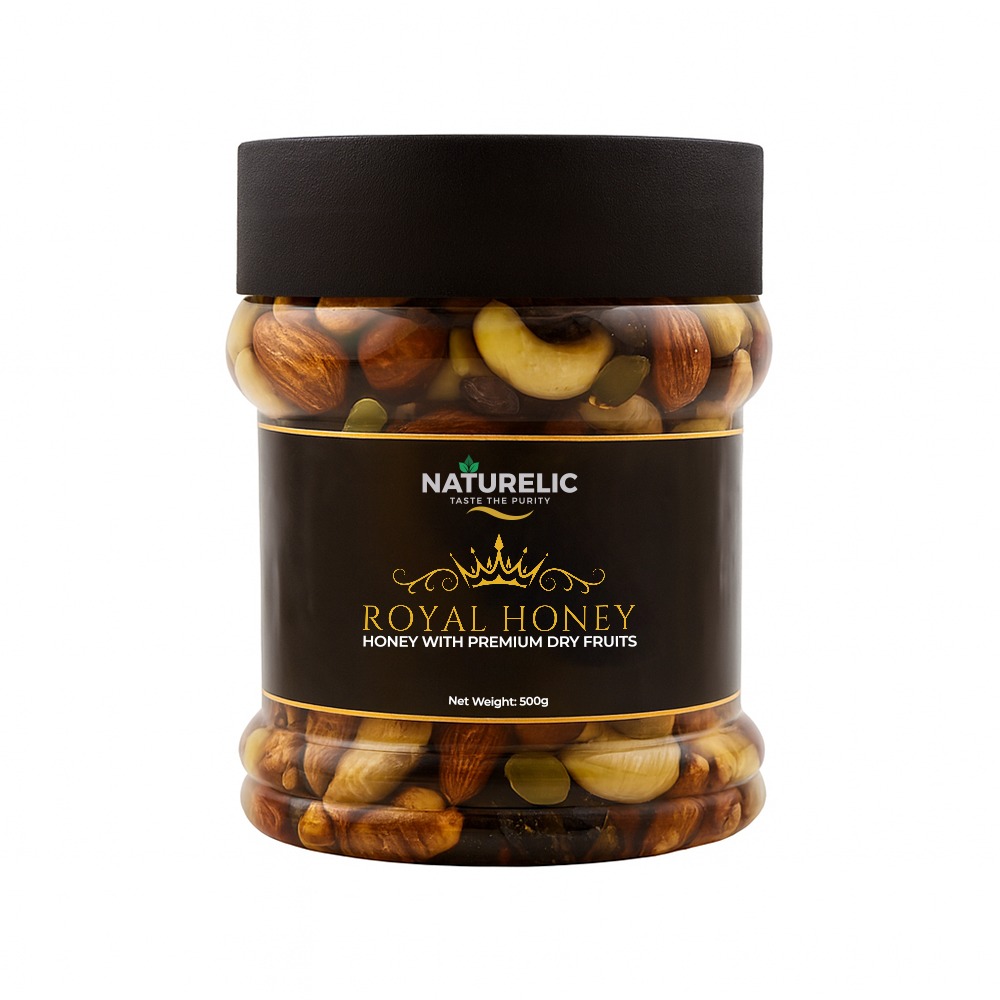
Raw honey layered with whole almonds, walnuts, pistachios and cashews in a single jar.
Standard
Desi Ghee
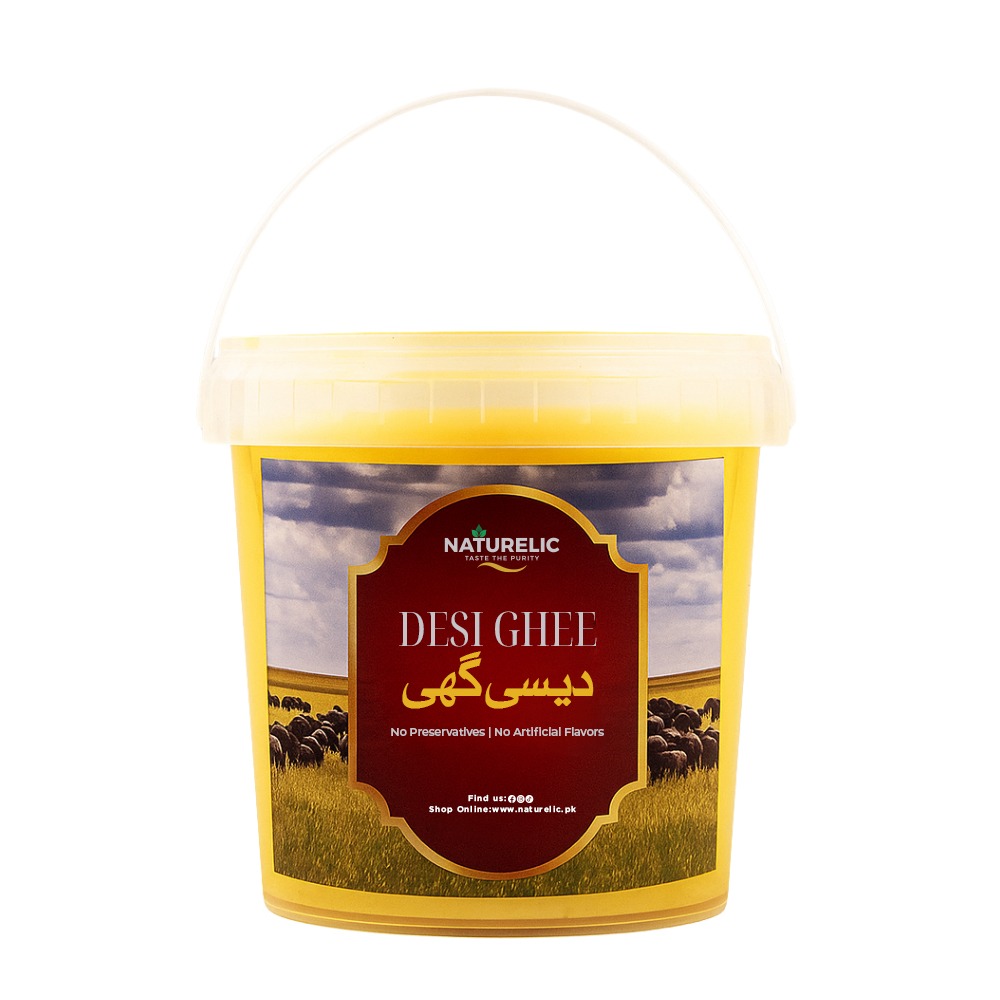
Traditionally churned desi ghee, slowly clarified in small batches for a nutty, caramelised aroma.
Keep reading
Why Honey Crystallises, and Why It Is a Good Sign
Your honey has gone solid. That is chemistry, not spoilage — and usually a good sign.
Desi Ghee in Pakistan: Price, and How to Tell Pure From Blended
What desi ghee costs, how it is made, and the checks that separate pure ghee from a blend.
Ramadan and Eid Gift Guide: Honey, Ghee and Dry Fruit Hampers
Choosing a Ramadan or Eid gift that is actually used — by budget, with delivery timings.